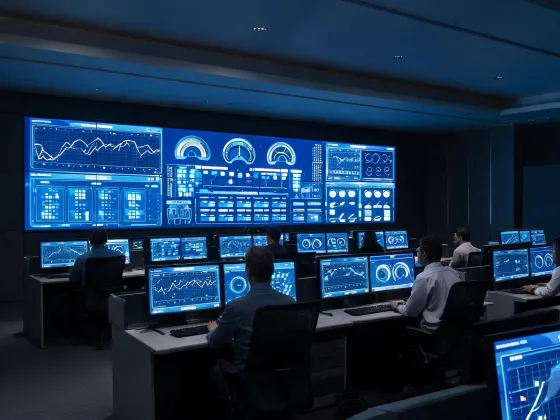
Control Rooms
Prioritize low-glare viewing, signal redundancy, fine pitch options, and service access that does not interrupt daily monitoring.
Different environments create different display risks. A sports bowl needs long-distance clarity and event-day continuity, while a transportation hub needs scheduled messaging, wayfinding discipline, and strong performance under changing ambient light. The scenes below keep those requirements separated so each buyer can evaluate the LED system in the language of their own facility.
Use these scenes as a technical starting point for pixel pitch, brightness, cabinet access, controller redundancy, and content governance. The best LED display brief names the people who will see the screen, the operators who will control it, and the service teams who must keep it running after launch.
Prioritize low-glare viewing, signal redundancy, fine pitch options, and service access that does not interrupt daily monitoring.
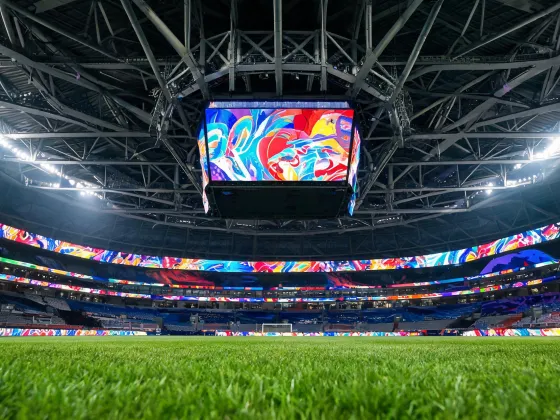
Coordinate bowl sightlines, sponsor inventory, replay workflow, brightness scheduling, and rapid response expectations.
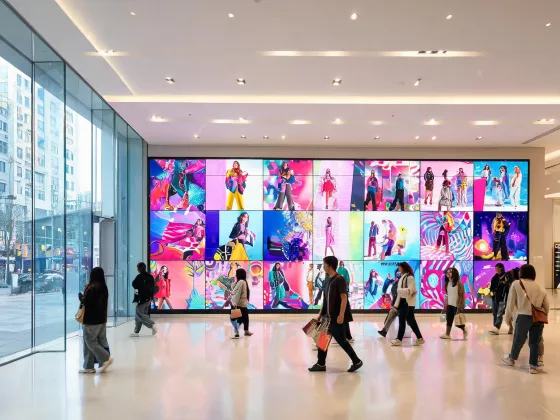
Balance content impact with storefront transparency, media scheduling, brand governance, and maintenance windows.
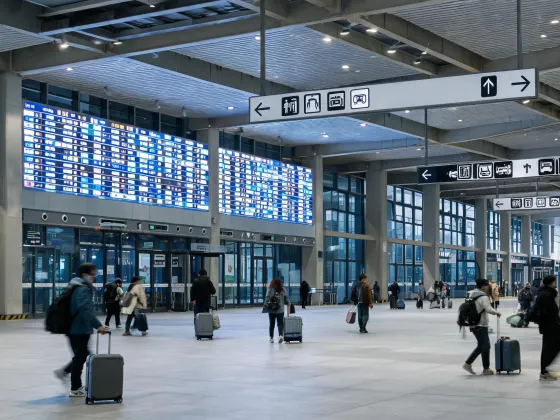
Support high-readability messaging, emergency communication, network supervision, and cabinet durability in public traffic zones.
A useful LED selection conversation starts with the audience distance, operating hours, ambient light, mounting access, and content model. Daktronics-style planning then narrows the display family to the right cabinet and control architecture instead of forcing every environment into the same product pitch.
For sports, civic plazas, and long-view public messaging.
For command centers, boardrooms, and premium lobbies.
For scheduled content, wayfinding, and retail advertising programs.
When an application carries public information, advertising value, or live-event expectations, the recommended series should be reviewed with drawings, content source assumptions, and maintenance access in the same packet.
The trade-off below is deliberate, not a ranking: a stadium and a control room pull the same variables in opposite directions, so a configuration that is correct for one is often wrong for the other.
| Planning variable | Sports stadium / outdoor | Control room / fine-pitch interior |
|---|---|---|
| Typical pixel pitch | 6-10 mm long-throw | 1.2-2.5 mm near-view |
| Brightness band | 5,000-10,000 nits outdoor | 600-1,200 nits indoor |
| Refresh priority | 3,840 Hz for broadcast capture | 1,920 Hz, glare control first |
| Ingress protection | IP65 front face for weather | Indoor rating, dust managed |
| Dominant failure cost | Event-day downtime | Monitoring blind spots |
High-nits cabinets still wash out under direct low-angle sun, and large bowls add wind, thermal, and rigging-access limits that constrain where service teams can reach a failed module mid-season.
See-through mesh trades brightness and content density for daylight, so a transparent facade is rarely the right call for a high-contrast advertising message that must read in full sun.
Public-information displays carry safety expectations and 24/7 duty cycles, which raise redundancy and spare-strategy requirements beyond what a decorative install would justify.
Fine-pitch walls reward short viewing distances but are sensitive to ambient glare and heat load, so room lighting and HVAC headroom become part of the display specification.
Share the venue type, viewing distance, and content schedule. The next step is a display conversation shaped around the environment, not a generic catalog page.